

You can modify most divorce agreements in California, but only if there’s been a material change in circumstances since the original order, and only if the change actually gets documented and filed, not just agreed to verbally.
A job loss, a relocation, a remarriage, or a child reaching a new stage can all qualify. What doesn’t qualify is an informal understanding between you and your ex that was never put in writing and never made part of the court record.
What Actually Qualifies as a Change Worth Modifying
California courts use the phrase ‘material change in circumstances’ to decide whether a modification request is even appropriate, and it’s a higher bar than most people expect. It’s not enough that things feel different now than they did when you signed your original agreement. The change has to be significant, and it has to genuinely affect the terms you’re asking to modify. A minor pay raise probably doesn’t clear that bar.
A parent losing a job, relocating for work, remarrying in a way that changes household finances, or a child aging into a different stage of life with new needs, those typically do.
Job Loss, Relocation, Remarriage, and Kids Aging Out: What Each One Changes Legally
A significant, involuntary job loss can justify revisiting child support or spousal support, since both are based on income, but it usually needs to be documented and, in most cases, sustained for a period rather than a single bad month. A relocation, especially one that affects a parent’s ability to maintain the existing custody schedule, can justify modifying the parenting plan itself, not just support figures.
Courts generally want to see that the move is for a legitimate reason, whether that’s a job offer, family support, or a lower cost of living, and that a new schedule can still serve the children’s best interests. A move from, say, Poway to somewhere outside San Diego County entirely is a very different conversation than a move a few miles across town.
Remarriage affects spousal support directly under California law: in most cases, spousal support terminates automatically upon the remarriage of the receiving spouse, though the paying spouse still needs to formally document that termination rather than simply stopping payments on their own judgment about what the law requires.

Remarriage of either spouse can also change the household financial picture in ways that affect child support calculations, since new household income can factor into the analysis. And a child aging out of certain needs, starting kindergarten and no longer needing daycare, for example, or turning 18 and graduating high school, can justify revisiting both the parenting schedule and the support amount tied to it.
What If My Ex Won’t Agree to Modify
This is the concern we hear most often from parents who already know they have a legitimate change but are dreading the conversation. A few things are worth knowing here. First, a material change in circumstances doesn’t require both parents to already agree it exists before mediation can start. Part of what happens in the room is establishing, together, whether the change genuinely qualifies, using actual documentation rather than each parent’s opinion of the situation.
Second, most co-parents who initially resist a modification conversation aren’t actually opposed to fairness. They’re opposed to the uncertainty of not knowing what’s being asked of them or worried the other parent is trying to take advantage of a difficult moment.
A neutral setting tends to defuse that concern quickly, because neither of you is walking in with an attorney positioned to extract the best possible deal. You’re both explaining your actual situation to someone whose only job is making sure the outcome is fair and legally sound. If your co-parent still refuses to participate after a genuine attempt, litigation remains an option, but the vast majority of the modification cases we take on resolve well before that becomes necessary.
The Difference Between Agreeing Informally and Making It Legally Binding
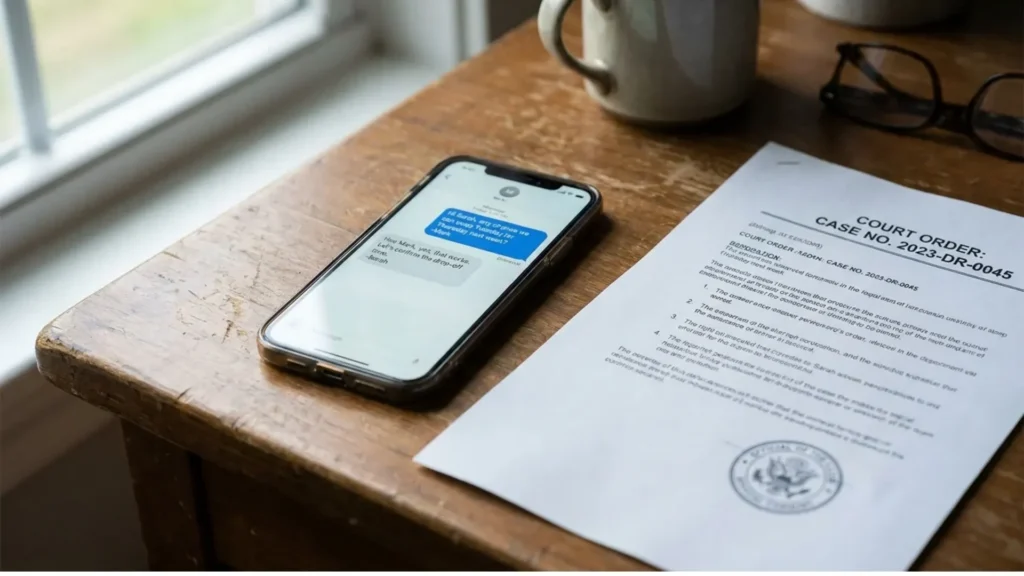
Here’s where a lot of well-meaning parents run into trouble. You and your ex agree, over text or in a conversation at pickup, that support should change or the schedule should shift.
You both follow the new arrangement for months, maybe years, without issue. Then something goes wrong, one of you wants to go back to the old terms, or a new partner questions the arrangement, and you discover the ‘agreement’ you thought you had was never legally binding at all.
The original court order is still the only thing enforceable, regardless of what you actually did in practice.
Why a Handshake Deal With Your Ex Won’t Hold Up Later
California courts don’t recognize informal changes to support or custody orders just because both parents went along with them. If it isn’t filed with the court, the original order is what a judge will enforce if a dispute ever comes up, even if you both stopped following it years ago. This matters most when it comes to back child support.
If you informally agreed to a lower amount and your ex later decides to enforce the original order, you could be on the hook for the difference, potentially going back years.
The fix isn’t complicated, but it does need to happen properly. Once you and your co-parent agree on what should change, that agreement needs to be documented and filed with the court so it becomes an official modification, not just a shared understanding. This is exactly the kind of situation mediation handles well, because you’re not starting a new legal battle over a minor adjustment you’ve both already agreed to in principle. You’re formalizing something you already agree on, quickly, so it actually protects both of you going forward.
If you’re not sure whether your situation qualifies, or you’ve realized an informal arrangement you’ve been following for a while was never made official, our post-divorce modifications service is built for exactly this. We help you determine whether a material change exists, work through what the updated terms should look like, and make sure the new agreement gets properly filed, so you’re not relying on a verbal understanding that could fall apart the moment either of you decides it doesn’t work anymore.
How a Modification Actually Gets Filed With the Court
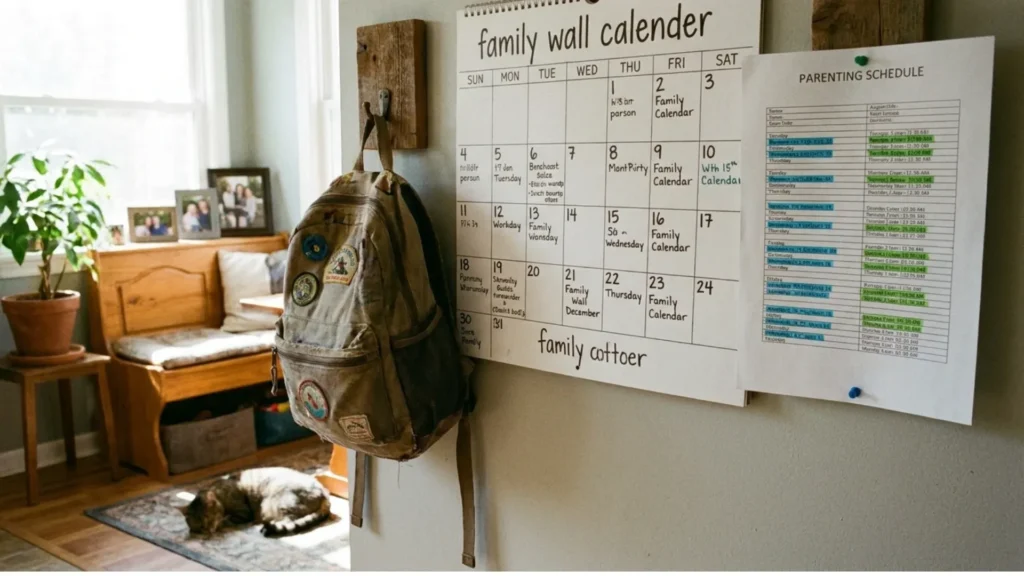
Once you and your co-parent agree on the updated terms, whether that’s a new support number, a revised parenting schedule, or both, the agreement gets drafted into a formal Stipulation and Order, the specific legal document San Diego Superior Court requires for post-judgment modifications. That document gets filed with the court, and once a judge signs it, it becomes a legally enforceable order, replacing the relevant parts of your original judgment.
This is a meaningfully lighter process than your original divorce filing was. You’re not starting from scratch. You’re amending specific terms within a case that’s already been through the court once. That said, it still needs to be done correctly, referencing your original case number, specifying exactly which terms are changing and which stay the same, and meeting the same formatting requirements the court expects for any filing.
A modification drafted informally, or one that leaves ambiguity about what’s actually changing, can end up creating more confusion down the line than it resolves. Getting this part right the first time is worth the small amount of extra care it takes, especially compared to the cost of sorting out a dispute over an unclear modification years later.
Do Not Assusme That Informal Agreement Is Enough To Protect You
Life doesn’t stop moving after a divorce is finalized, and California law recognizes that by allowing modifications when circumstances genuinely change.
The mistake most people make isn’t failing to recognize a legitimate change. It’s assuming an informal agreement between two reasonable adults is enough to protect them, when only a properly filed modification actually is.
If your situation has shifted in a way that no longer matches your original agreement, the sooner it’s formalized, the less risk either of you is carrying. Not sure if your situation qualifies, or need to make an informal change you’ve already agreed on official? Schedule a free consultation and walk us through what’s changed and we can discuss what it actually takes to update your agreement properly.